
Small Garden Ideas: Smart Designs to Transform Compact Spaces
At Matthew Childs Design we love designing small gardens. Regardless of scale, every project receives the same dedicated, concept-to-completion service. Small gardens often demand just as much care as large rural spaces, requiring clever, thoughtful design to maximise every inch for both people and plants, while creating calm, practical outdoor rooms that feel generous, private and effortless to live in.
The Design Process
When designing a small garden, good design is essential. Limited space means every decision carries more weight, and a successful outcome relies on careful planning, creativity, and clarity at every stage.
By following a structured design process, key considerations are addressed early, ensuring the finished garden feels cohesive, functional and beautifully resolved. For a small garden, key stages of our design process include:
Understanding the site
Small gardens often come with practical limitations such as restricted planting opportunities, limited access, screening needs and varying light levels. A well-considered design process ensures these constraints are fully understood from the outset, allowing a designer to develop tailored solutions that work with the site rather than against it. This approach reduces costly surprises during the build and results in a more refined final scheme.
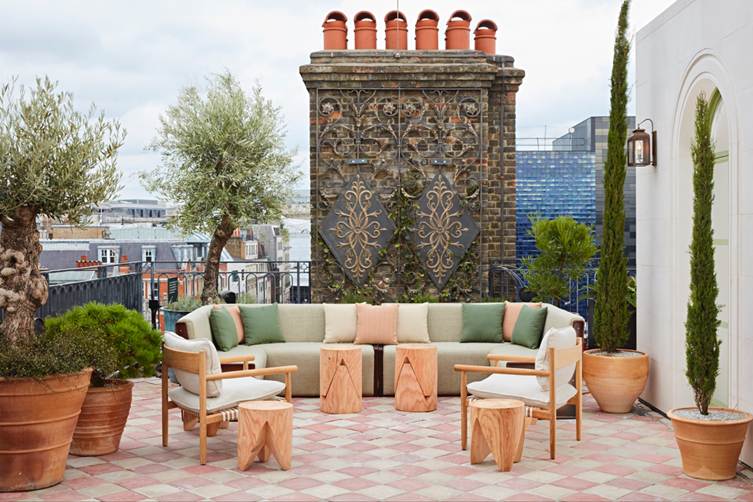
Limited planting space and strict weight restrictions on this roof terrace meant that every planter and piece of furniture had to be carefully considered. Existing features, such as the chimney, were used to introduce vertical interest and provide a beautiful architectural backdrop for planting, allowing greenery to be layered upwards. This approach maximised impact without overloading the structure or crowding the space.
Tightening the wish list
Small spaces benefit from a disciplined approach. Challenging the need for elements such as a lawn can free up valuable space and allow the garden to function as an outdoor room, extending the living space of the home.
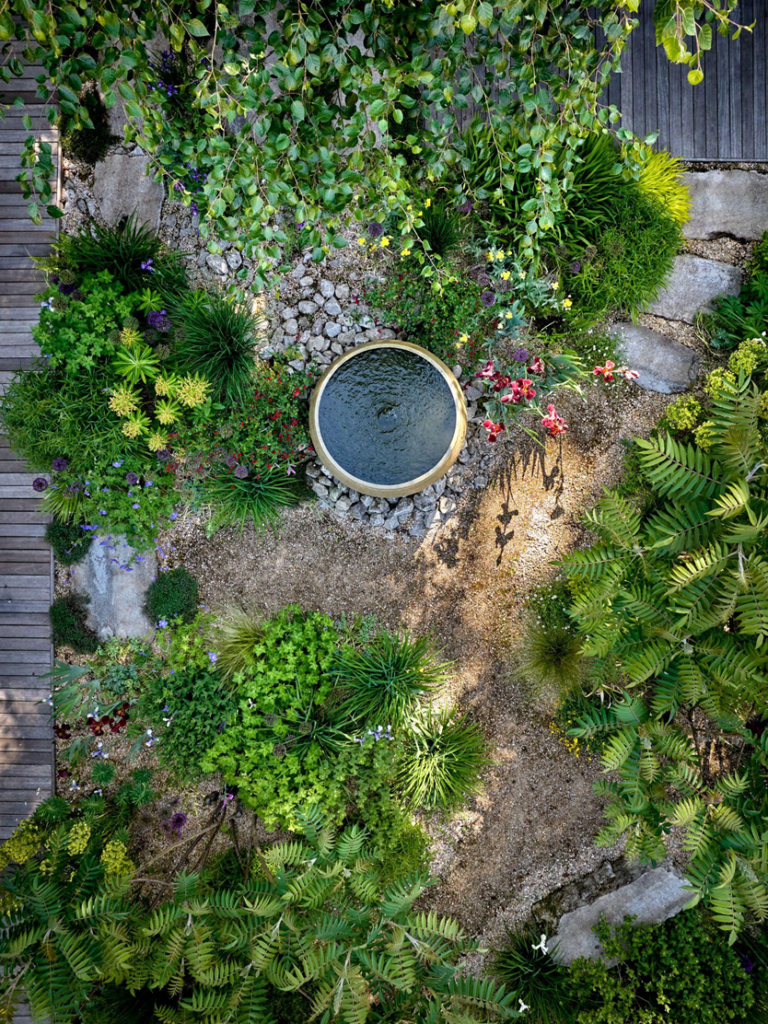
In this small London garden, removing the lawn created more room for planting and significantly improved views throughout the garden.
A clear concept creates cohesion
Small gardens reward clarity and confidence. A strong concept brings cohesion and purpose to the space and sets clear boundaries for design decisions. This disciplined framework helps keep choices focused and naturally supports better budget control.
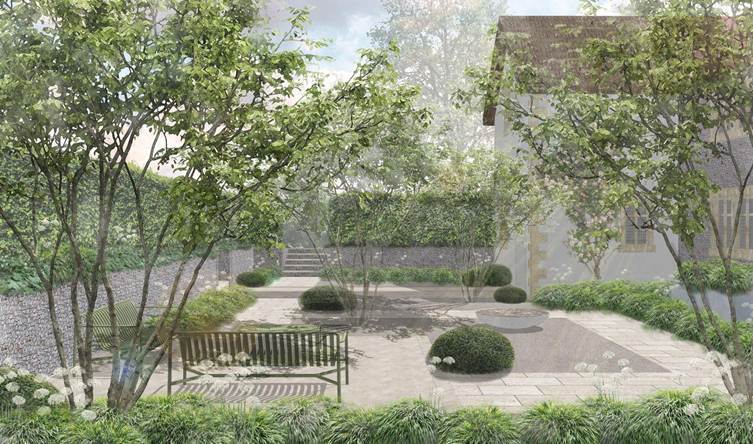
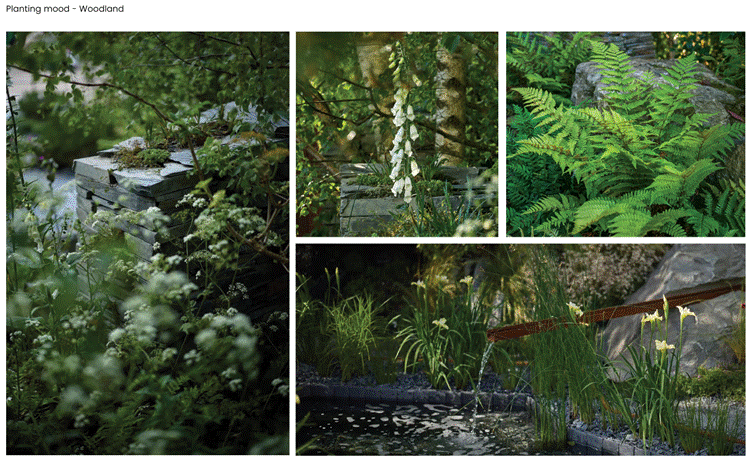
We develop mood boards early in the design process to establish a clear reference for the concept and overall aesthetic. As the design evolves, we create visuals that clearly illustrate and communicate the design intent, like the one shown here.
Detail that adds value
In compact spaces, good decisions matter more. Detailed specification and careful planning save time and money during the build while delivering a garden that balances beauty with everyday use.
Here, thoughtful design and careful planning maximises both usable space and planting opportunities, making the most of the site’s potential and overcoming the challenge of the steep level change.
Implementation
Implementation is just as important as the design stage, particularly in small gardens where every element must be carefully curated. Our involvement during the build allows us to refine details on site, from the placement of plants to the selection of furniture, outdoor kitchens and bespoke features. This hands-on approach adds value through careful sourcing and ensures the design intent is fully realised.
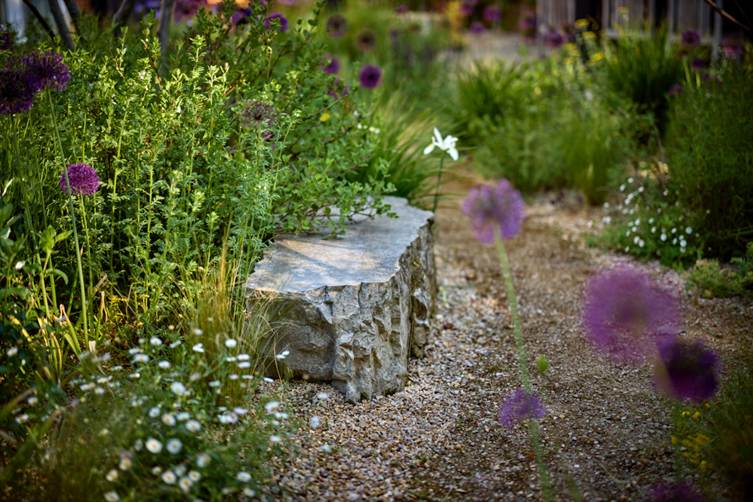
This boulder seat highlights the value of hands-on involvement during the build. Bespoke features, carefully chosen and precisely positioned on site, nestle organically within the garden.
Planting with purpose
Carefully curated planting delivers maximum impact in a small space. Attention to scale, colour, foliage, scent and seasonal interest ensures the garden feels layered and dynamic year-round. Choosing plants that suit the conditions is vital in a small garden, where failures are far more noticeable.
Small Garden Design Ideas: Tricks and Tips
Designing the layout of a small garden is about making confident, well-considered choices. With limited space, every element needs to earn its place, and creative planning can dramatically improve how the garden looks, feels and functions. With the right approach, even the most compact plot can feel generous, layered, and inviting.
Here are our top five tips for making the most of a small garden:
Get creative with your layout
In compact gardens, layout is everything. Efficient use of space, dual-purpose areas and bespoke features help the garden work harder without feeling overcrowded.
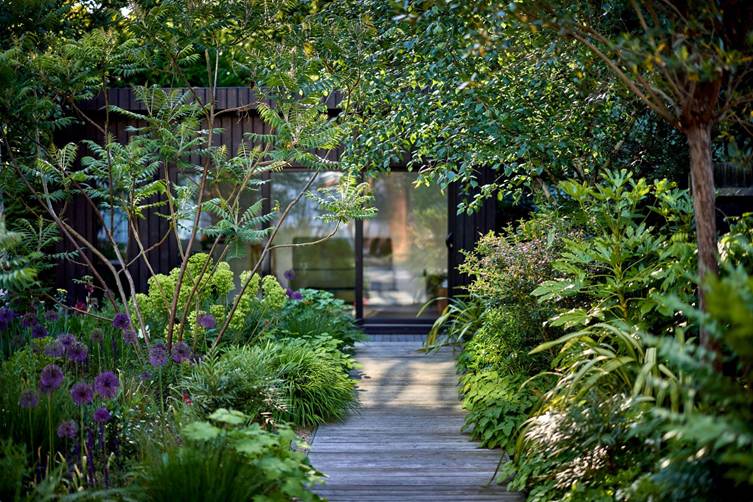
In this small town garden, key features were positioned around the perimeter, allowing planting to take centre stage. This creates uninterrupted views across the garden and draws the eye through layers of greenery, making the space feel wider and more immersive.
Play with scale
Using scale cleverly can completely change how a small garden is perceived. Contrary to instinct, large-leafed plants often work better than lots of small, fussy ones. Bold foliage creates a sense of drama and tricks the eye into reading the space as larger and more confident.
Repeating a limited palette of plants also helps simplify the scene and prevents the garden from feeling cluttered. By balancing a few strong shapes with softer textures and delicate flowers, you can create depth and interest without overwhelming the space.
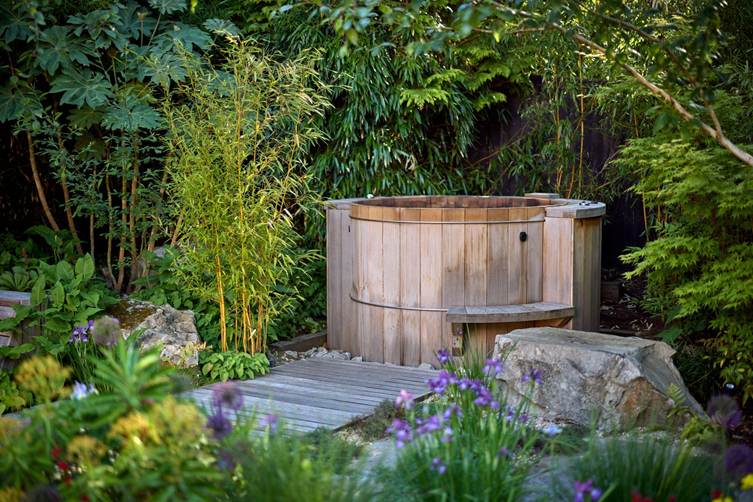
Here, large-leaved tetrapanax in the rear helps create a greater feeling of space and depth to the planting.
Blur the boundaries
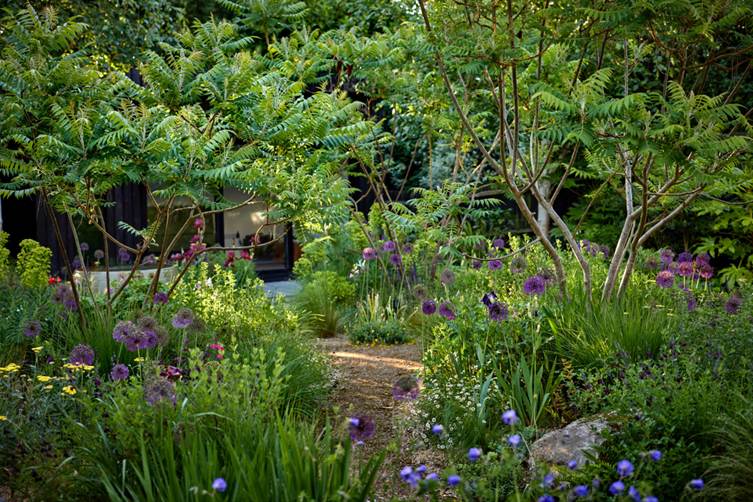
Small plots don’t have to feel confined by their boundaries. Painting fences or walls in dark, muted tones helps them visually recede, especially when softened with climbing plants or layered planting in front.
Where the setting allows, borrowing views from the surrounding landscape or neighbouring trees can make a garden feel more open and connected to its context. Even a glimpse of greenery beyond the boundary draws the eye outward, extending the perceived space. This approach also works well in rural or coastal settings, where the wider landscape can become part of the garden’s story.
Slow down the eye
One of the most effective tricks in small garden design is to stop the eye from travelling straight to the back fence. Laying paving, decking or key materials on a 45-degree angle draws the eye sideways across the space, making the garden feel larger and more dynamic.
Gentle changes in direction, curved paths or staggered stepping stones can also encourage movement and exploration. The longer the eye lingers, the bigger the garden feels.
Create bespoke solution
Off-the-shelf solutions rarely make the most of a small garden. Bespoke joinery, planters or seating can be tailored precisely to the space, turning awkward corners or narrow edges into useful, beautiful features.
Custom details not only maximise functionality but also give the garden a sense of intention and quality – proof that small spaces, when designed well, can feel just as luxurious as larger ones.