
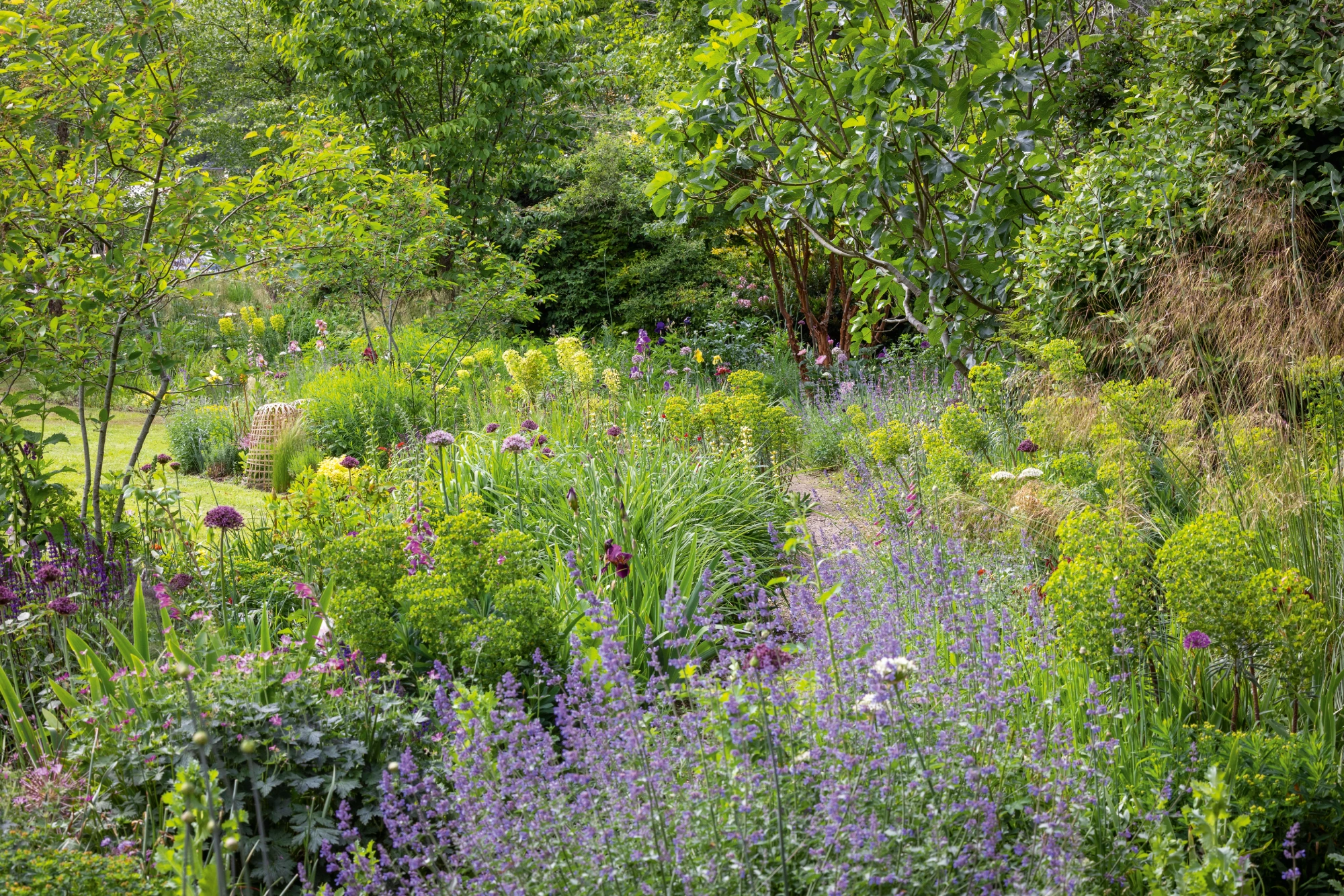
We are very excited that Ivy Cottage is featured in Clare Foggett’s new book, Beauty and Abundance, published on 16 April 2026. Ivy Cottage is Matthew’s cottage garden in Surrey and the location of our design studio.
We know that you will love all the inspiring public gardens and private spaces in this book, so please click here to order your copy.
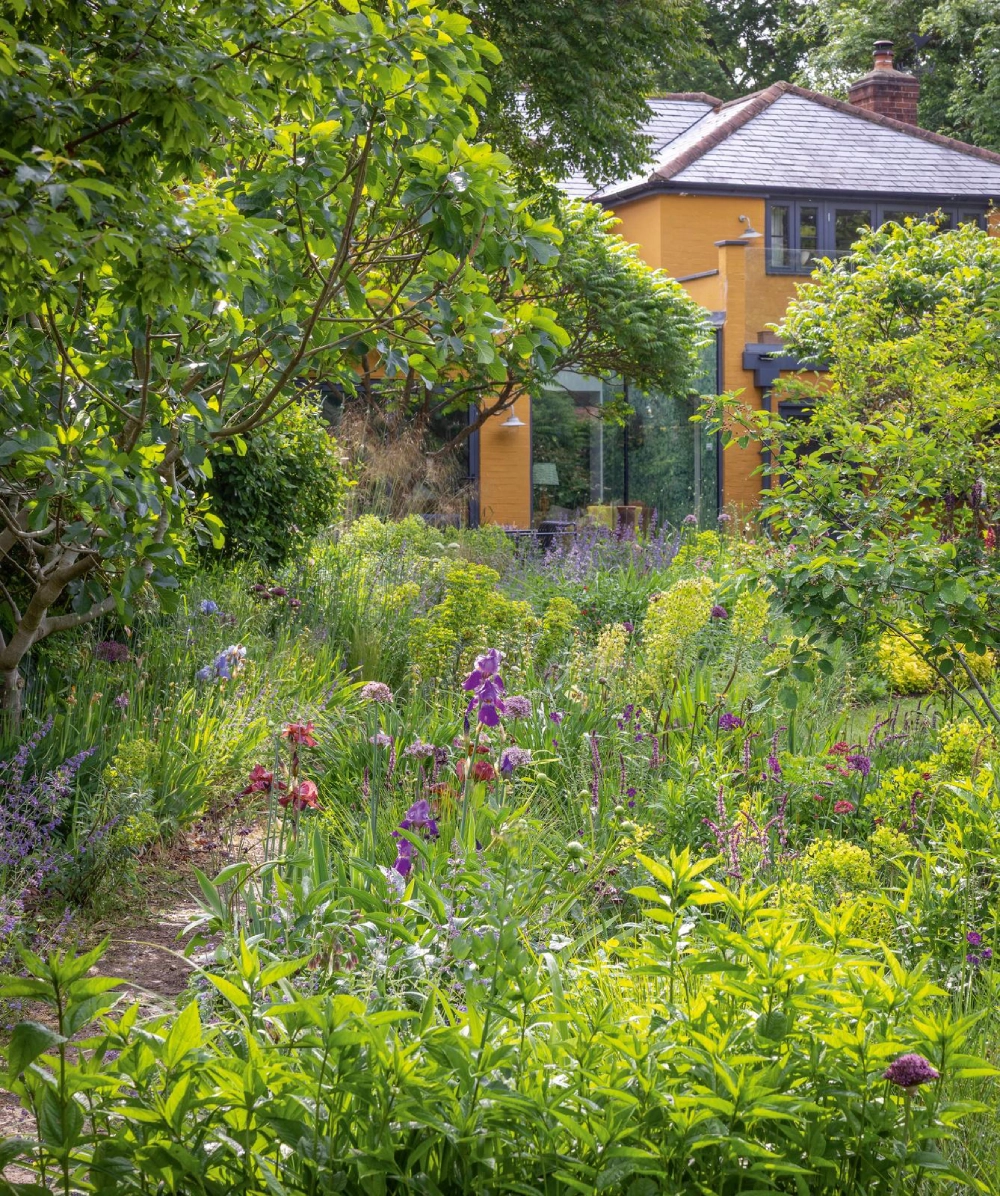
At Matthew Childs Design we embrace a wide variety of garden styles, and we have a particular passion for designing contemporary cottage gardens.
Originally borne out of a necessity for self-sufficiency, cottage gardens have continually evolved over the centuries and their informal style and aesthetic can be regarded as a key inspiration for modern, naturalistic planting design.
The quintessential cottage garden is instantly recognisable by its informal layout and dense, layered planting. They evoke a sense of nostalgia and offer cosy outdoor spaces which are not only functional, but biodiverse, abundant and beautiful.
We believe cottage gardens should celebrate their ‘curated haphazardness’ and be allowed to develop to find a balance that works ecologically and for the people that enjoy them. Essentially, there are no rules for this style of garden, so enjoy the freedom to experiment, make mistakes and learn.
A contemporary cottage garden designed by Matthew Childs Design puts people at the heart of it, so that the garden becomes a true extension of the home.
Key Elements of a Cottage Garden
Below are five key design elements that we consider when creating a contemporary cottage garden:
1. Informal layout
A cottage garden thrives on organic, informal design principles. Paths tend to meander, and are comprised of local gravel, stone or brick. Planting borders are generous and undulating and any lawn is asymmetric in shape and much reduced in size.
It should feel welcoming and lived-in, with every corner offering something new to discover. In a cottage garden, spaces are split into intimate garden rooms, each with its own aesthetic and function. Traditionally, this would be to include a productive area and cutting garden but we also like to encourage new uses such as a firepit or workspaces in our designs.
2. Structure
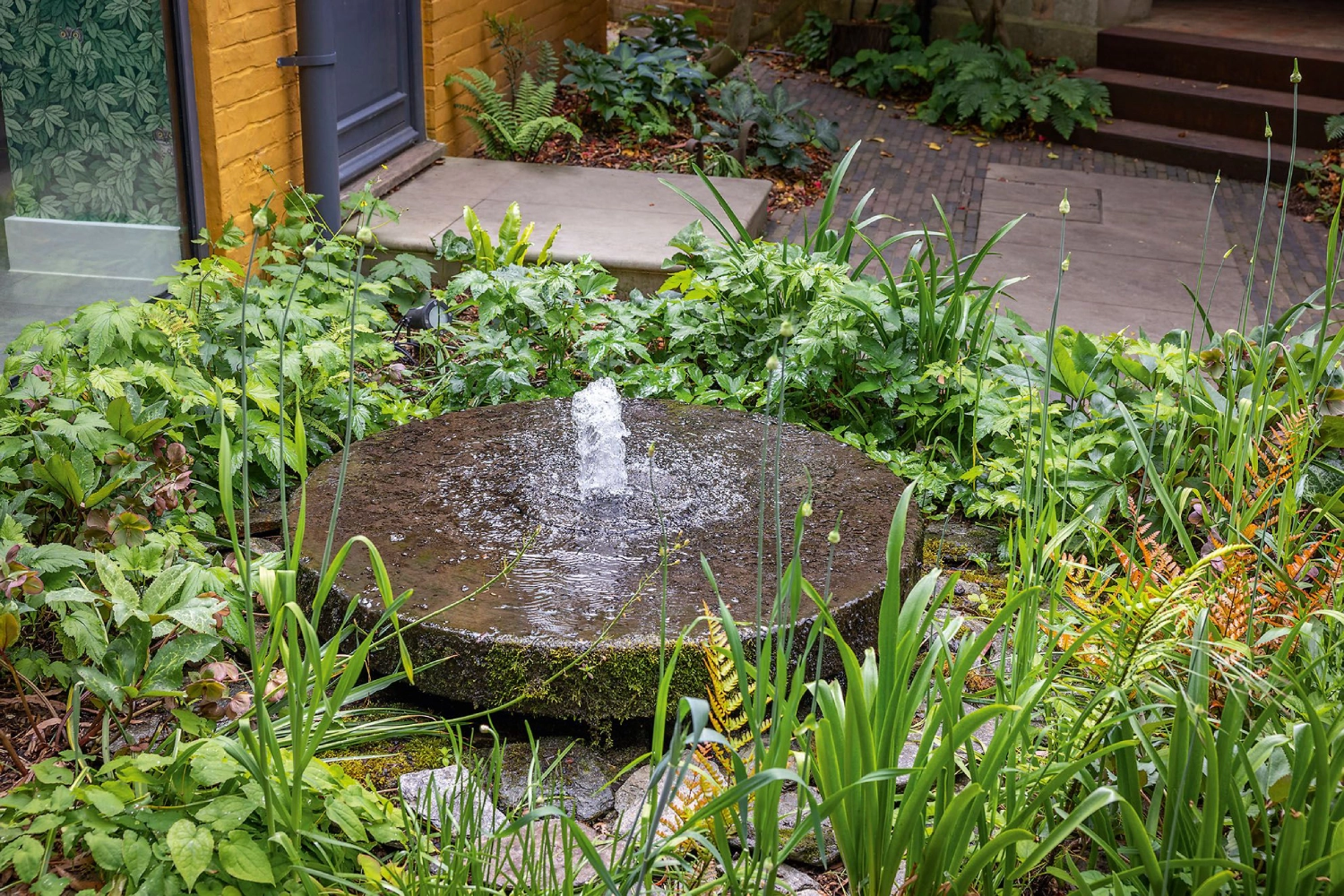
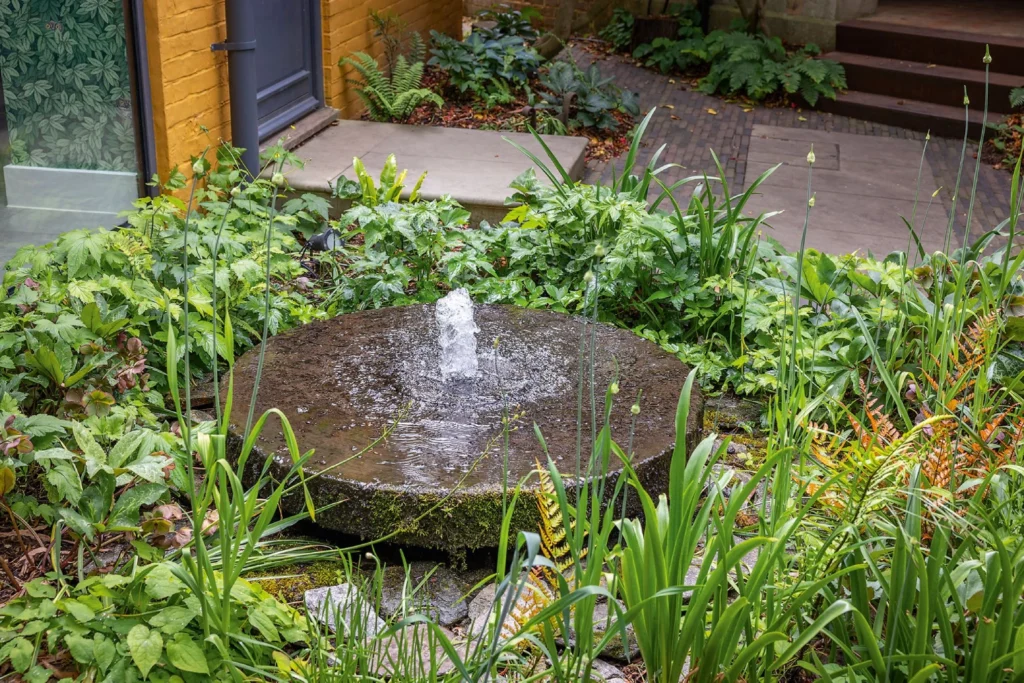
This can be provided by pergolas and garden buildings such as summerhouses or potting sheds to add character and serve as focal points. Decorative items, including birdbaths, sundials, or wrought-iron benches, bring charm and provide spaces to pause and enjoy views. Then add found or recycled items, such as millstones or mismatched terracotta pots.
We often collaborate with local artisans to create bespoke features tailored exactly to the unique layout and style of your garden. They use traditional techniques, adding a sense of history, character and authenticity to your garden.
In terms of planting, use honeysuckle, or clematis on arches, obelisks or pergolas for vertical interest. Don’t forget the house, frame doors and windows with wisteria and climbing roses.
3. Boundaries
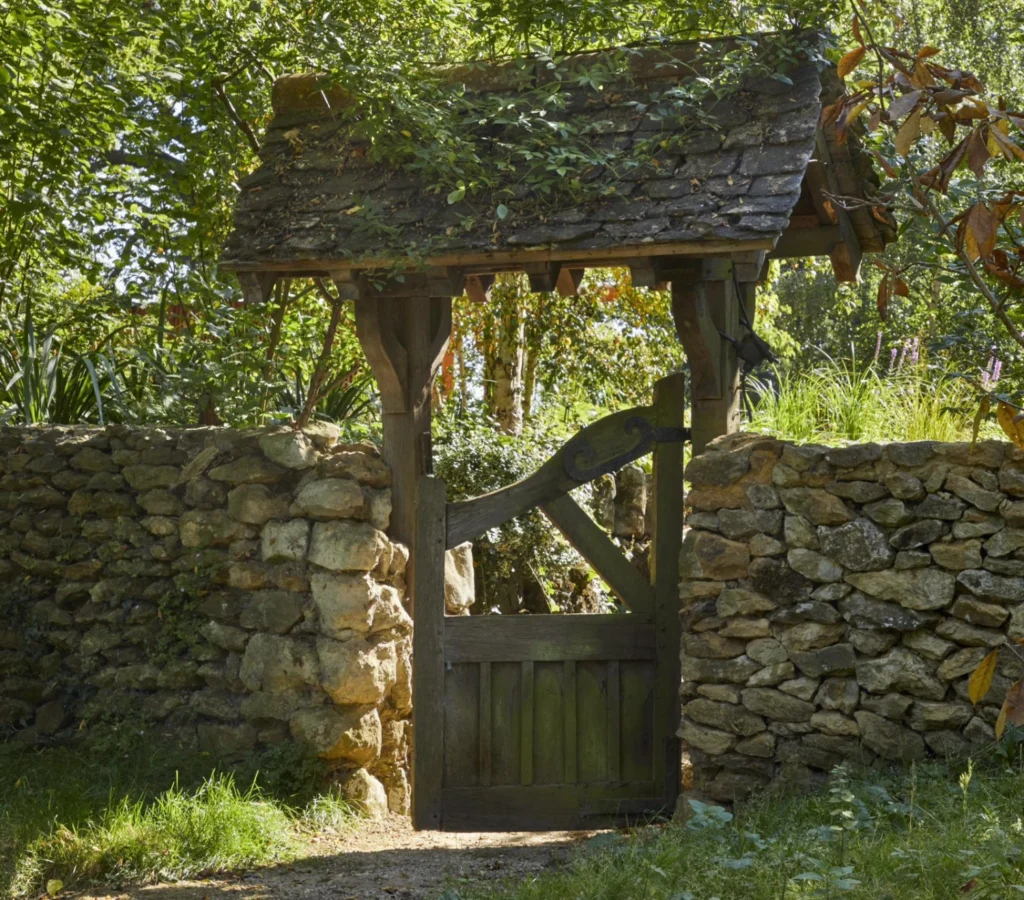
Traditional boundary features include picket fences, rustic gates and informal hedging. We like to blur the boundaries by painting any fences or walls dark (so they visually recede) and then softening using climbers or layered planting in front. Borrowed views, including neighbouring trees, help to connect the garden to the landscape and draw the eye beyond the boundary.
4. Planting
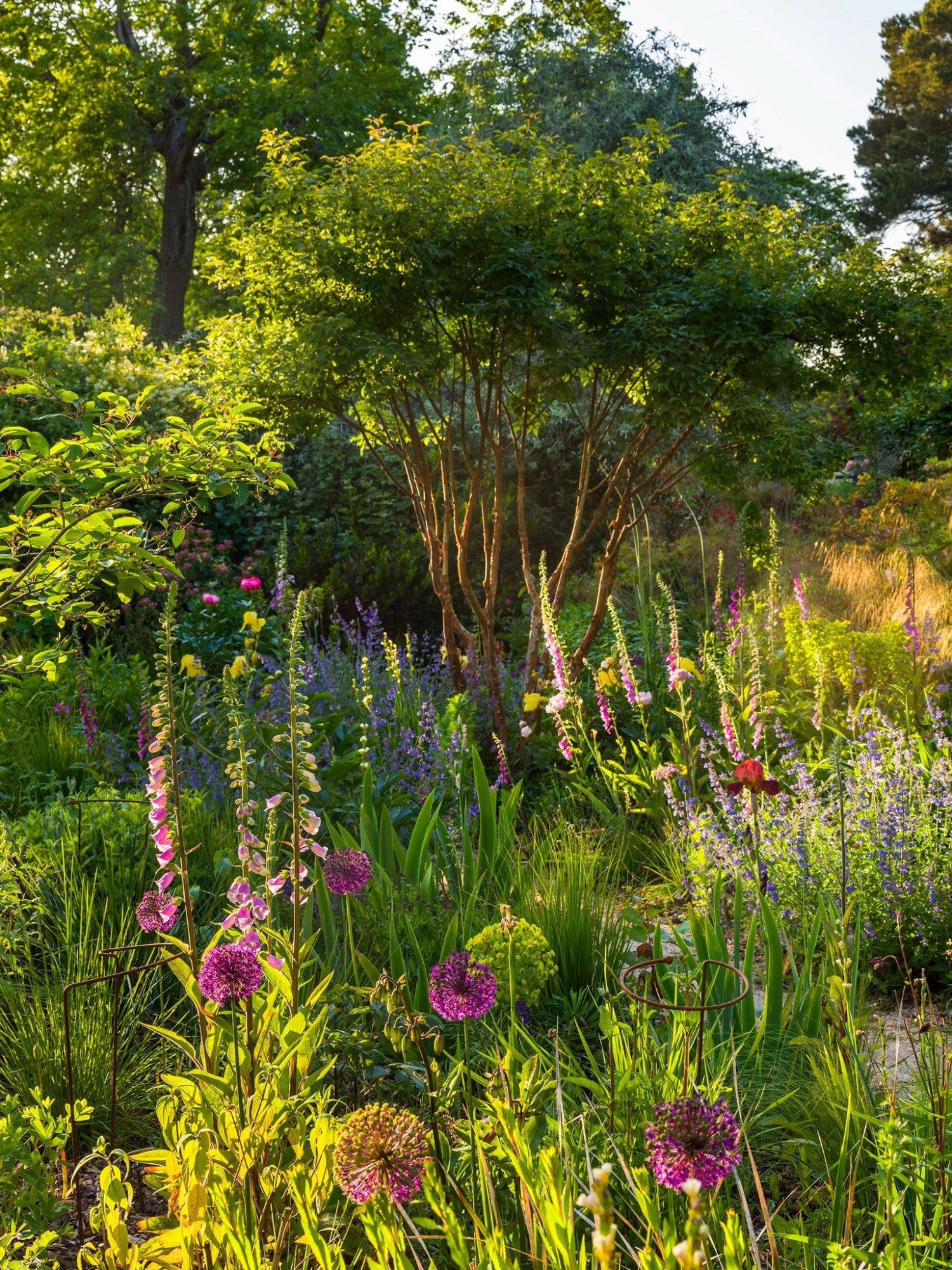
Cottage gardens use dense, layered planting where plants are placed tightly together, bulking up numbers in larger spaces to prevent them getting lost in the mix. Close planting creates the desired wild aesthetic, provides habitat for nature and helps suppress weeds.
The planting combines colours, heights, and textures with flowers such as foxgloves, hollyhocks and lupins providing vertical interest. Geraniums, nepeta and erigeron border paths and create swathes at ground level.
In the borders at Ivy Cottage you will find ‘edimentals’, plants that are both edible and ornamental, for example globe artichokes, rhubarb, nasturtiums or Swiss chard. Herbs such as rosemary, thyme, and chives also add culinary value, fill the air with scent and support pollinators. Multi stemmed trees and shrubs, including philadelphus and buddleia, anchor the planting and provide year-round structure. Fruit trees can be trained along fences or left to grow naturally, offering beauty and bounty.
We always include self-seeding annuals such as poppies, sweet peas, cosmos and nigella. These plants can be peppered through the borders to fill spaces and maintain the garden’s informal, ever-changing appeal. In autumn, we collect seed from our favourite plants to sow in spring, ensuring an abundance of year-round interest.
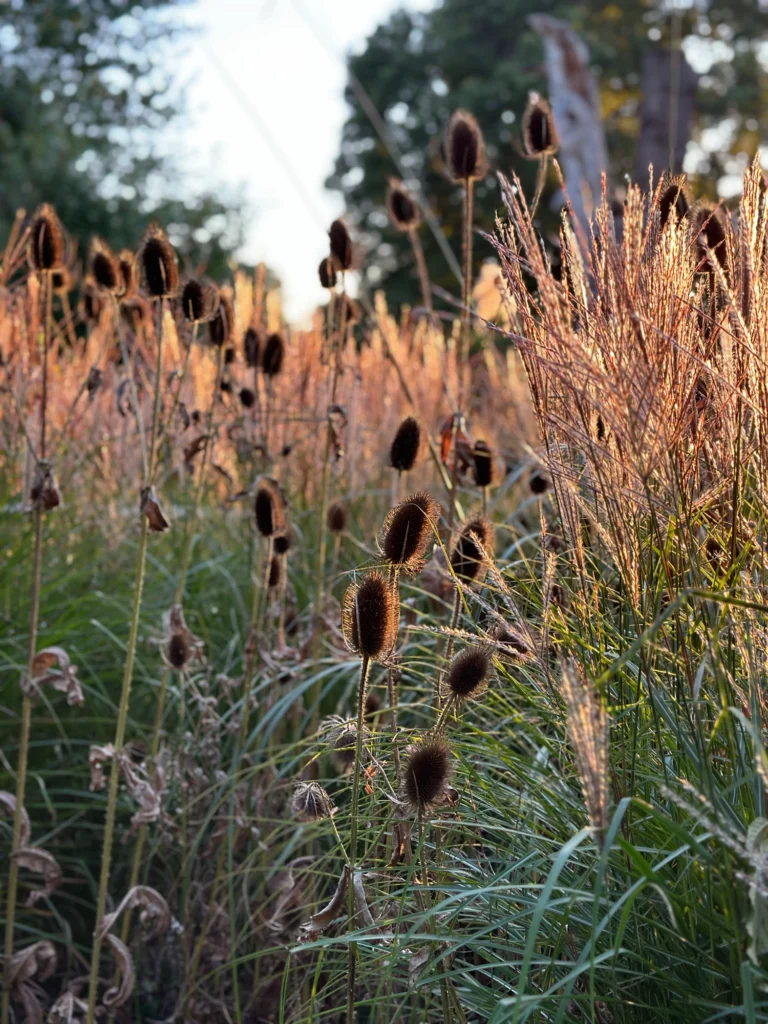
We use ornamental grasses in our contemporary cottage garden schemes as many are resilient and drought tolerant. When perennials die back, they provide architectural shape, with autumn foliage and winter seed heads offering structural interest. Even gentle breezes bring ornamental grasses to life in terms of movement and sound, adding a dynamic yet calming element that connects different spaces in a garden.
Where space allows, we encourage the garden to become looser as you move away from the house, by letting nature and the weeds in.
5. Water
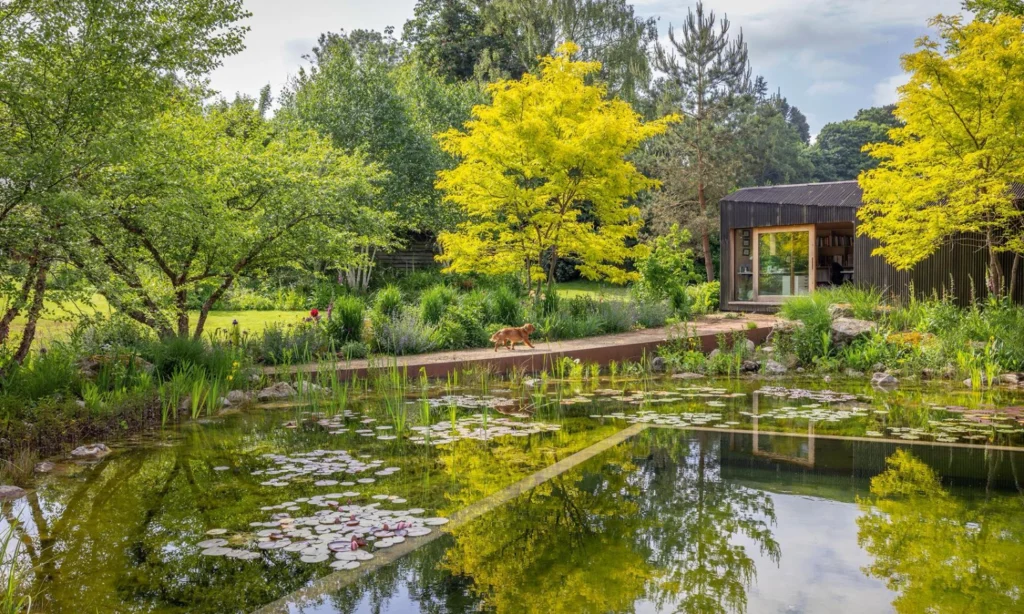
Small ponds, stone bird baths and bubbling fountains add a sense of tranquillity and attract birds and insects, creating new habitats. Position water features where they can be enjoyed from seating areas or windows and ensure they are accessible to wildlife by including gently sloping sides or planting around the edges.
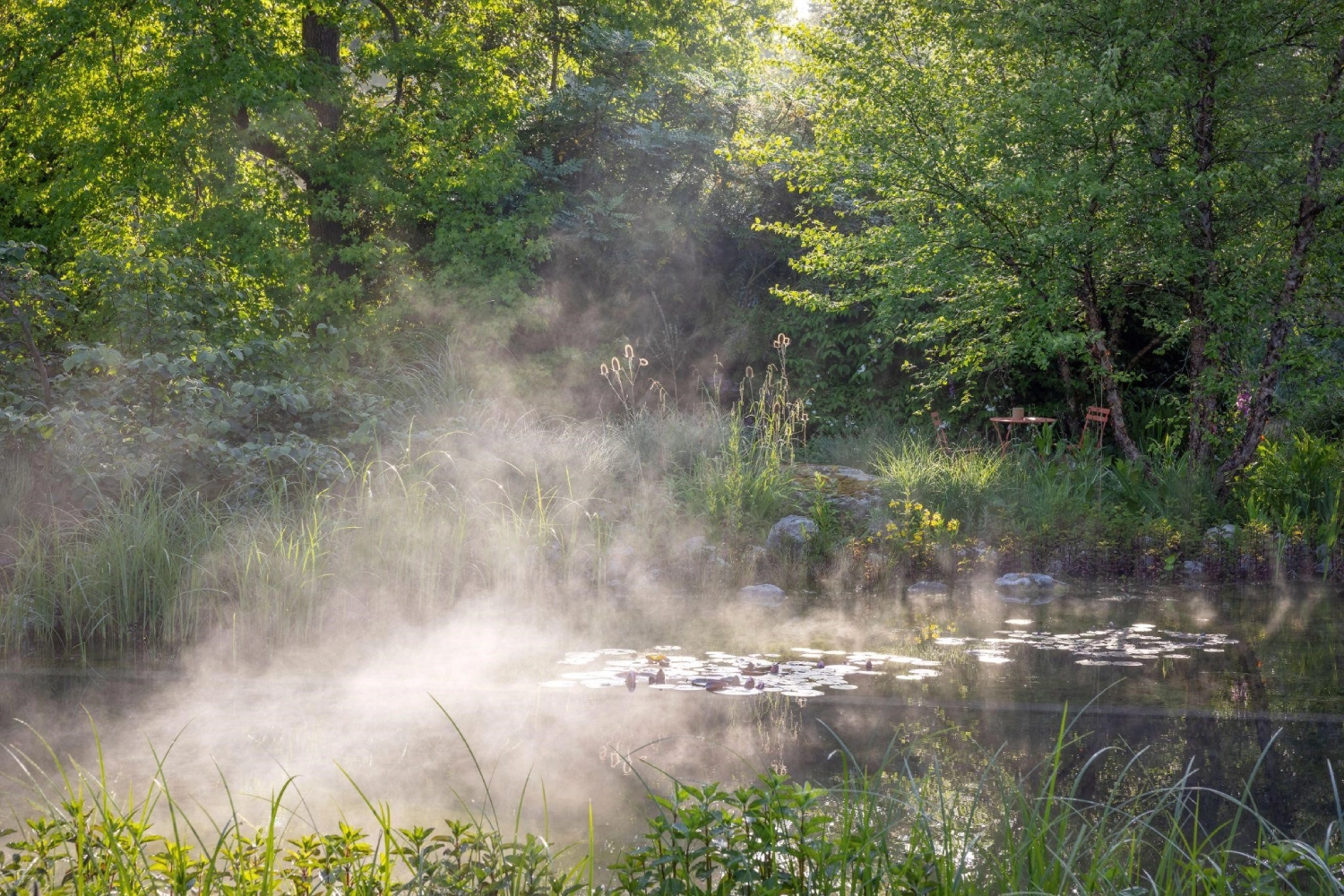
At Matthew Childs Design, we have included swimming ponds in a number of our recent projects, including Ivy Cottage. Swimming ponds provide wonderful, relaxing spaces for people to enjoy, combined with the wildlife benefits of natural water features. They use biological filtration and plants to keep the water clear and healthy, making them both beautiful and ecological. Margins can be planted with reeds, water mint, irises and water lilies, integrating the pond seamlessly into the cottage garden landscape.
Key Plants at Ivy Cottage
Below are five key plants we included at Ivy Cottage when creating the contemporary cottage garden:
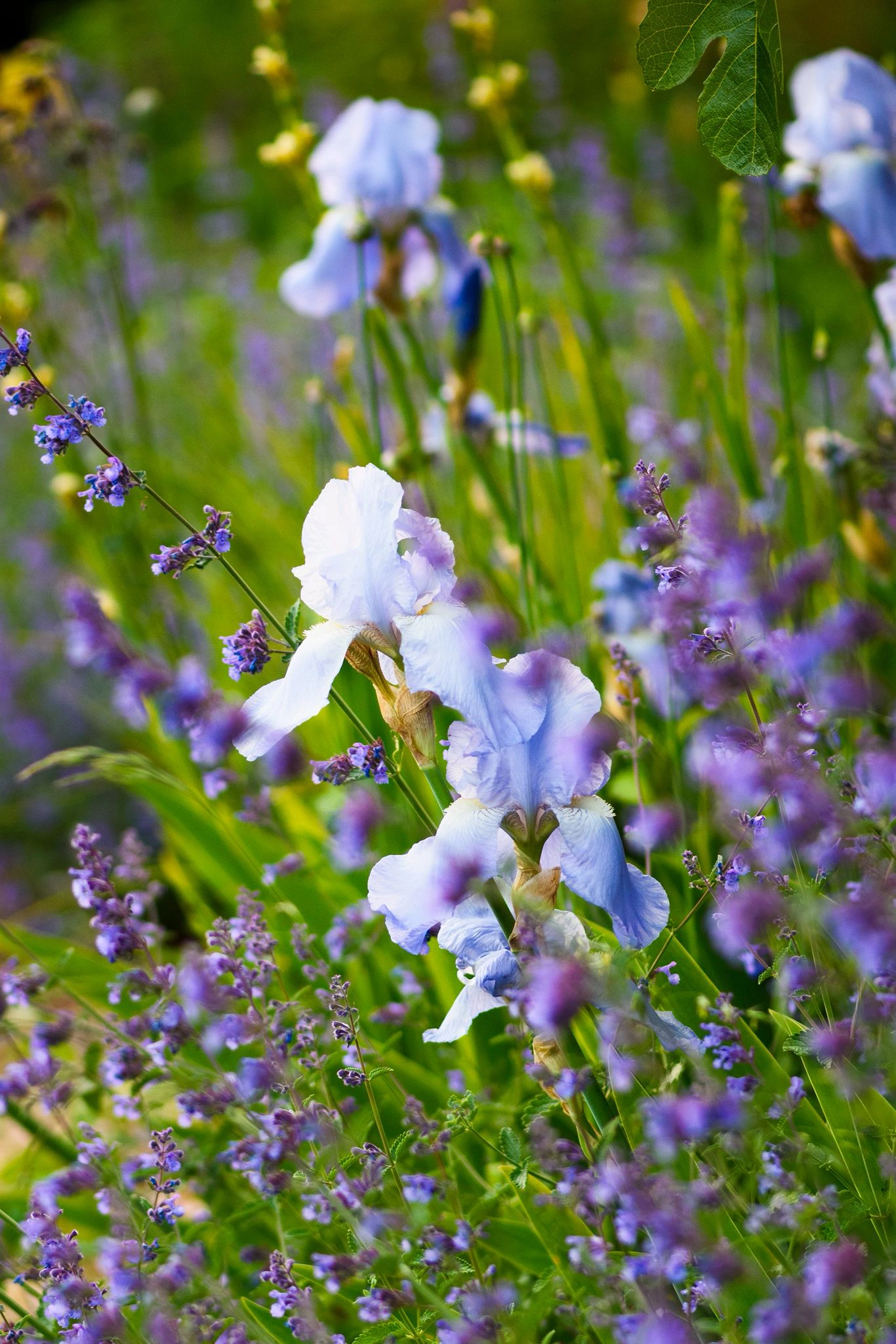
Iris Germanica
There are a number of cultivars in the garden, including ‘Jane Philips’, ‘Kent Pride’ and ‘Benton Susan’. Plant them high with their rhizomes exposed to the sun to encourage the best flowers.
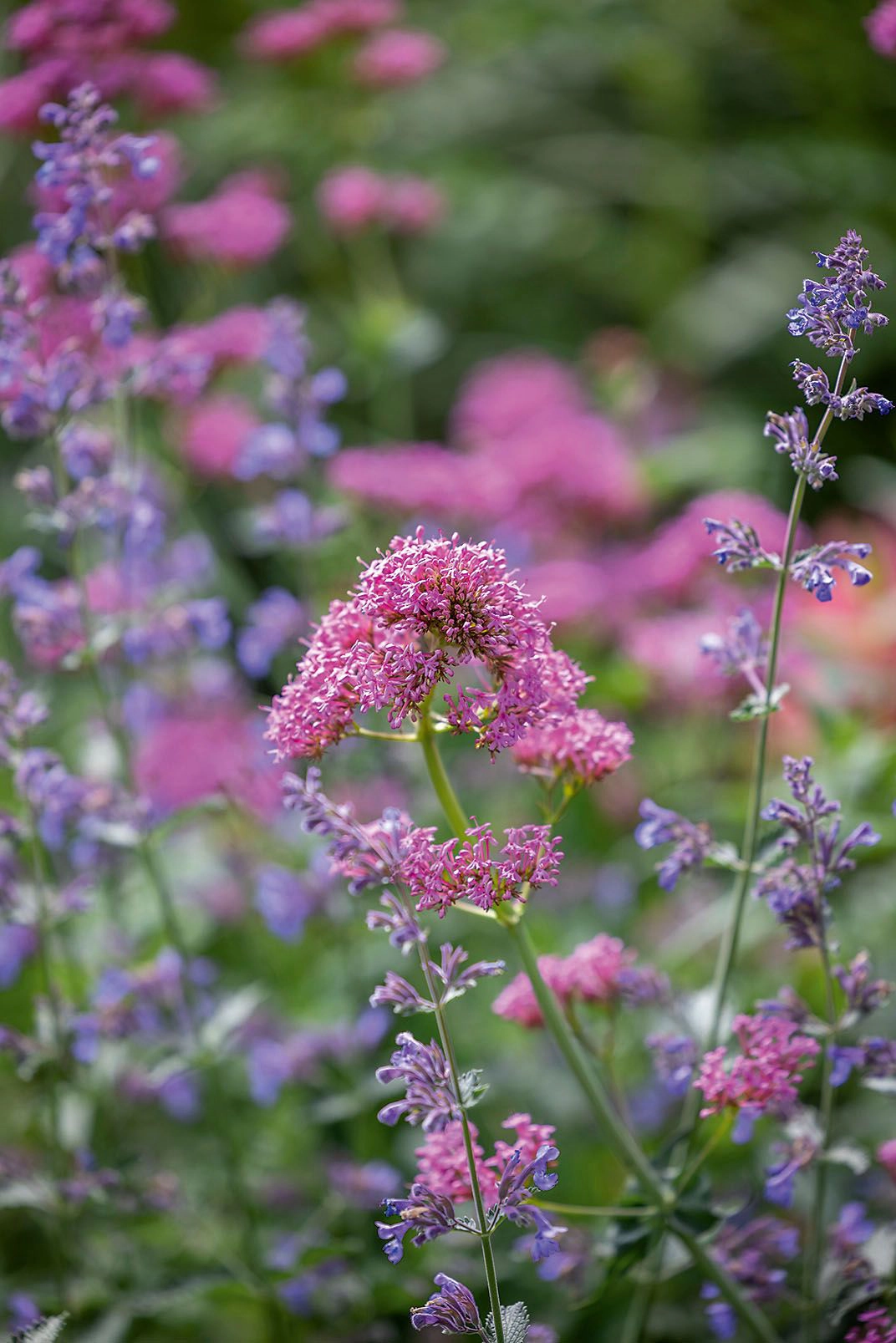
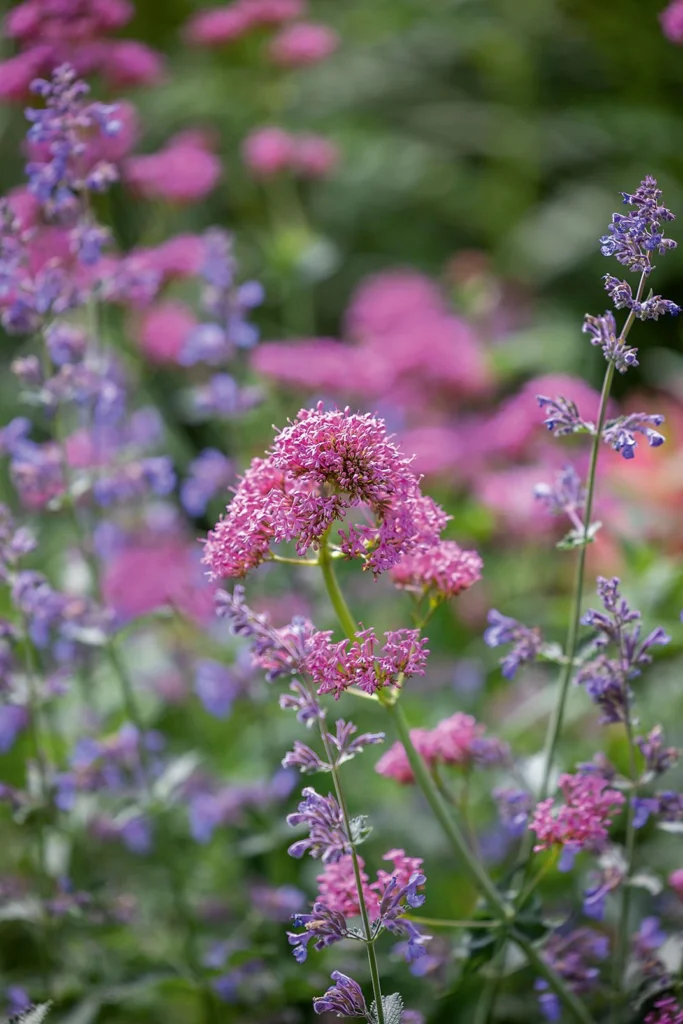
Nepeta
We use this plant to border paths, in combination with geraniums, erigeron and centranthus ruber.
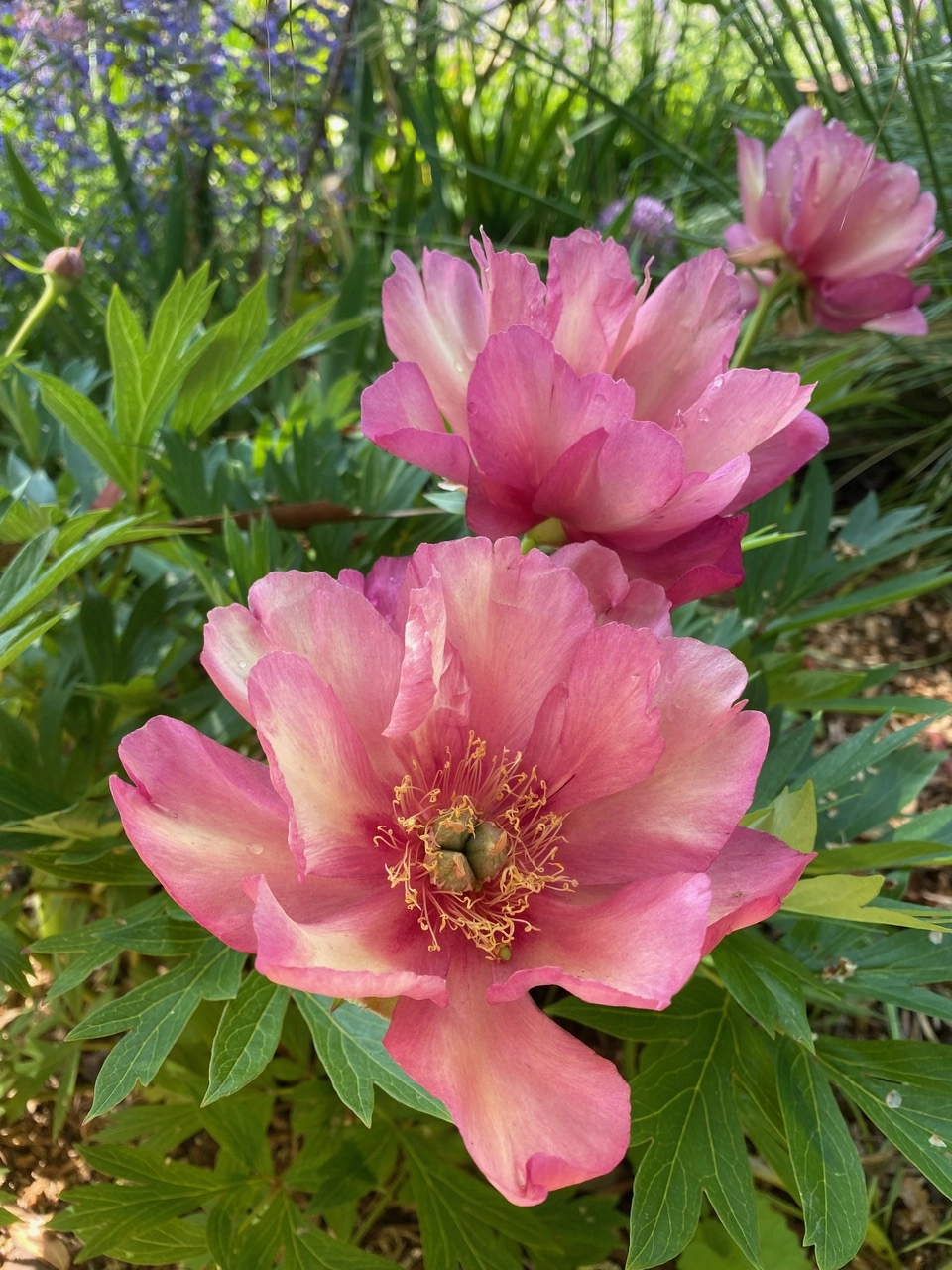
Peonies
Peonies have large flowers in late spring, ranging from soft white and blush pink to deep pinks and red. We have many cultivars at Ivy Cottage, including ‘Sarah Bernhardt’ and ‘Bowl of Beauty’. Their glossy, deep green foliage remains attractive throughout the summer, acting as a great backdrop for other plants.
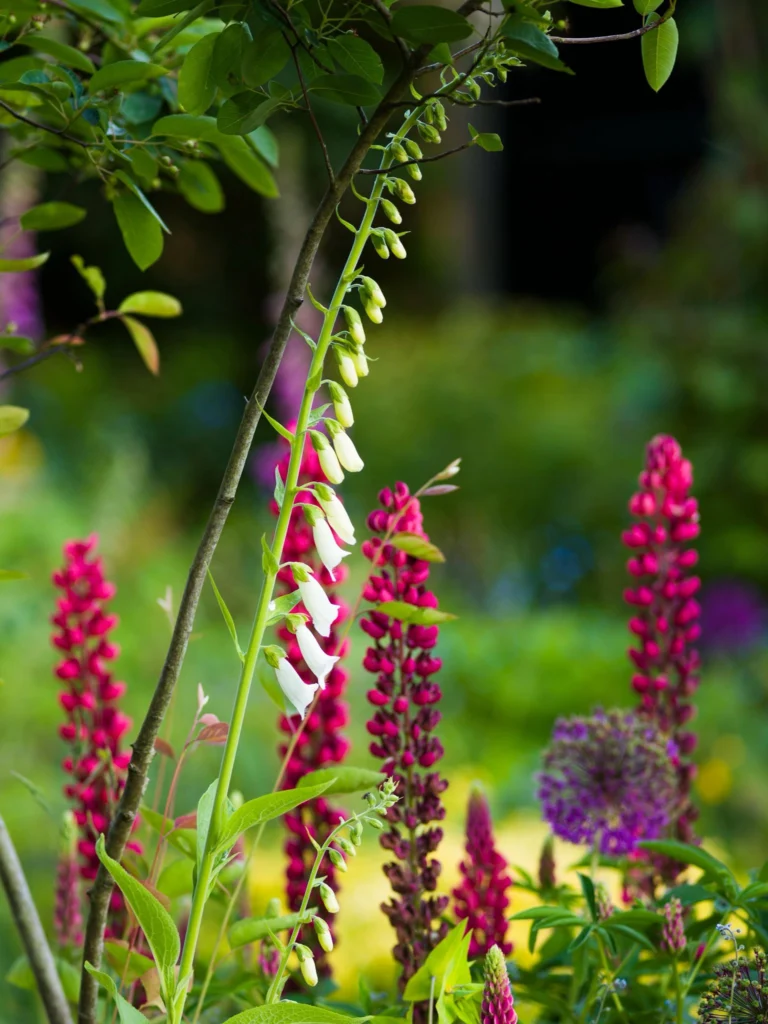
Digitalis (foxgloves)
We let foxgloves and honesty self-seed freely across the garden, as they create a stunning vertical accent across the planting borders, along with lupins and Salvia nemorosa ‘Caradonna’.
Teasels
These are planted at the edge of the pond and are a tall native biennial attracting goldfinches, bees and butterflies. Combined with pond planting such as water lilies and water mint, they help keep the swimming pond at a perfect equilibrium.
Other key planting
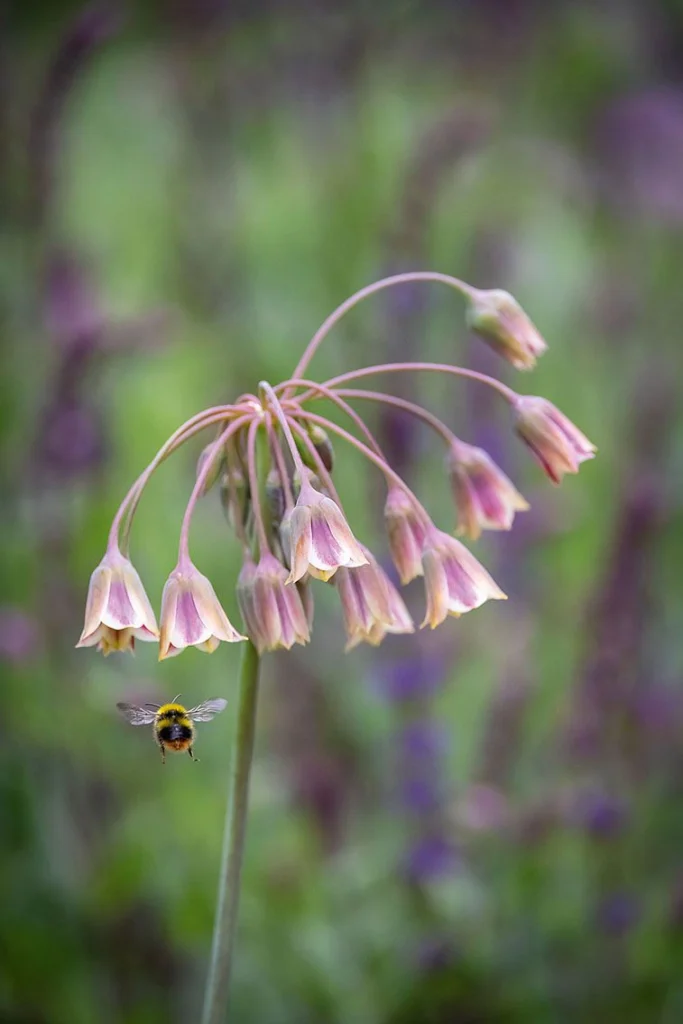
Ivy Cottage is awash with spring bulbs providing early season colour, including squill, native and jonquil daffodils, native bluebells and summer snowflakes. In early summer, Alliums and Nectaroscordum fill the borders with colour and are a magnet for pollinators.
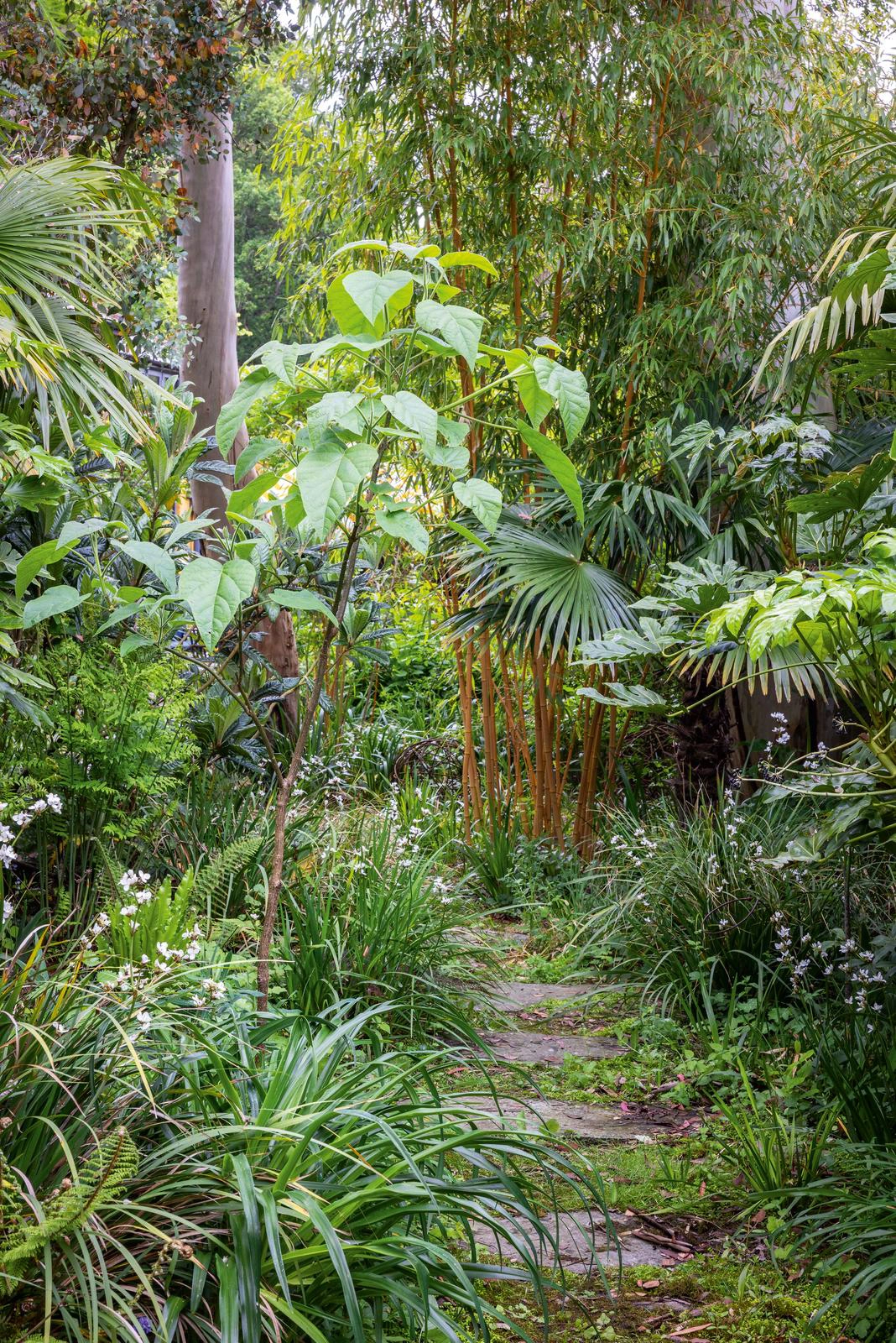
We have also embraced more unusual plants at Ivy Cottage, not often seen in a traditional cottage garden scheme, such as fatsia, tetrapanax, clumping bamboo and loquat. The planting has created a ‘verdant jungle’ surrounding a firepit and was inspired by majestic eucalyptus trees found on site.
Inspiration for Your Own Cottage Garden
The enduring appeal of cottage gardens lies in their blend of beauty, practicality, and wildlife-friendly design. Whether you favour a traditional approach or wish to adopt modern sustainability, the key is to embrace variety, creativity and a sense of abundance. Essential plants, thoughtful layout and the addition of water features or swimming ponds can transform any outdoor space into a haven of colour, scent and tranquillity.
The cottage garden is more than a style, it’s a tradition that continues to evolve, inviting personal expression and connection with nature. With a little planning and a dash of inspiration, you can create a garden that celebrates the best of British heritage while looking to the future.
We would love to design your garden for you. We look forward to discussing and realising your vision.