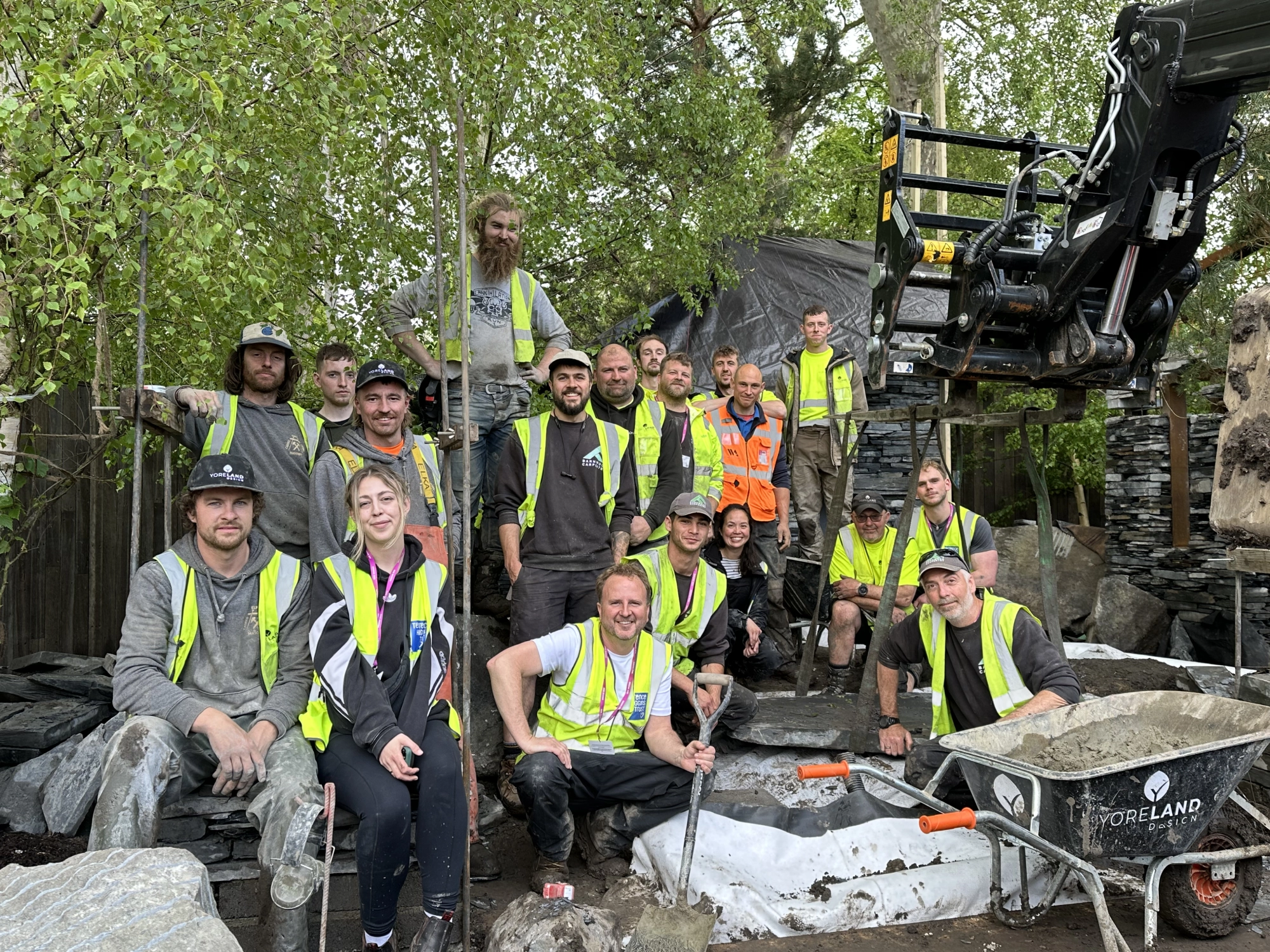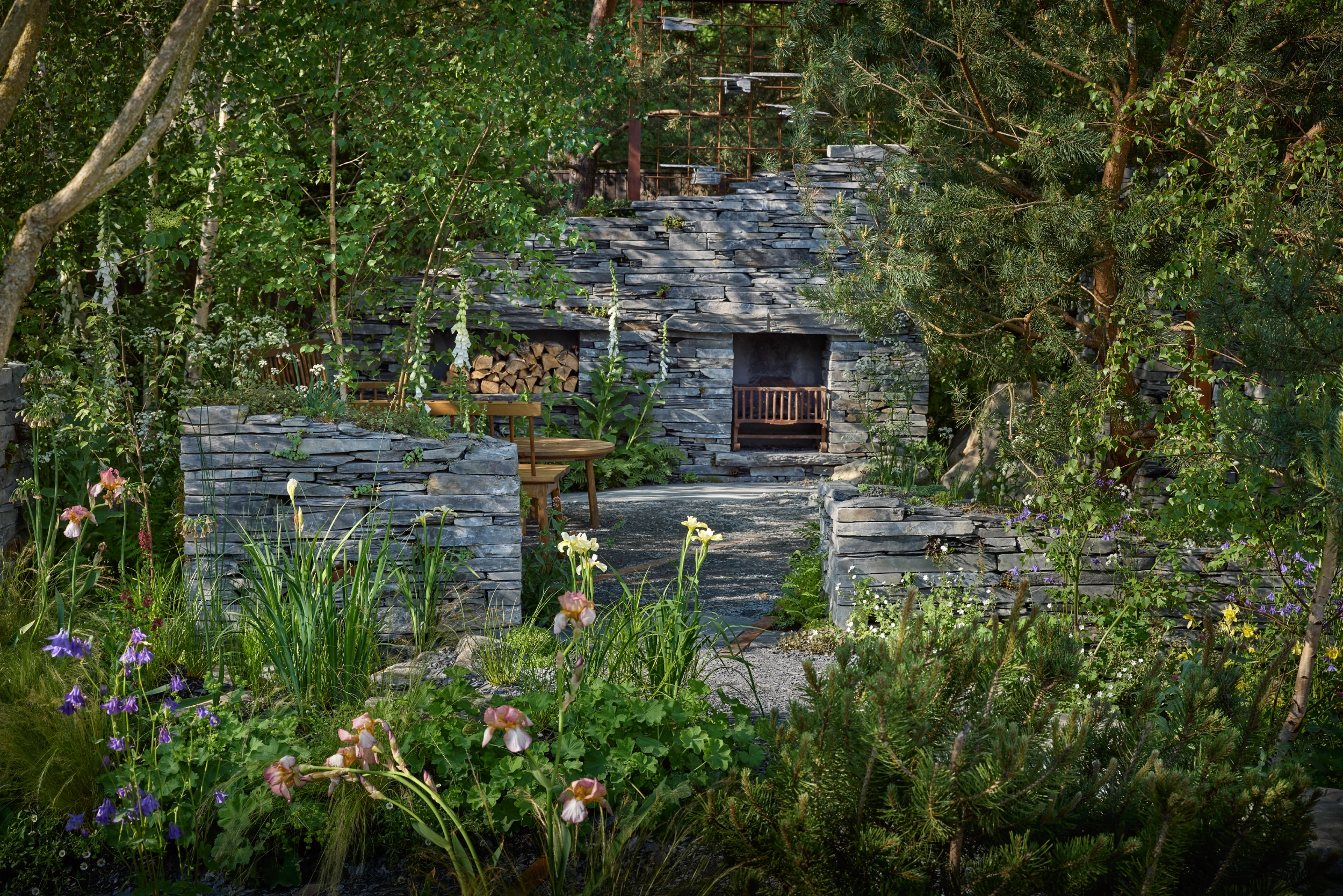
This month’s insights article was originally going to focus on the wonder that is the RHS Chelsea Flower Show: our experiences exhibiting there, the inevitable FOMO when you are not involved in the build-up, and the incredible concentration of inspiration it offers both the gardening public and the industry each year.
However, an email from The Society of Garden and Landscape Designers (SGLD), of which we are proud members, prompted me to reflect on another topic dominating conversation this spring: AI-driven garden design.
The SGLD email addressed the growing impact of AI on the garden design industry, particularly the launch of a new AI-led garden design service at this year’s Chelsea Flower Show. The service is spearheaded by a respected and experienced designer, also a fellow member of the society, which understandably sparked debate within studios, WhatsApp groups and among industry peers about whether AI could eventually replace our jobs.
Encouragingly, the SGLD’s position is not one of resistance, but support — helping members navigate the opportunities and challenges that come with working alongside AI. That feels important. Rather than shutting down the conversation, we need a balanced and pragmatic view. We are in a period of uncertainty and fear of the unknown, but the key questions for our industry are these: Is AI-driven garden design truly a threat to our livelihoods? And how can we embrace AI in ways that benefit both the gardening public and those working within the profession?
Charles Darwin’s theory of “survival of the fittest” was not about strength, but adaptability. Those most able to adapt to change are the ones who survive and thrive. So adapt we must.
The SGLD has said it will champion the value of “human design”, and that is exactly where I would like to focus.
As a studio, we have always worked to the mantra “Gardens are for People”, coined by landscape architect Thomas Church. For gardens to be successfully designed for people, they fundamentally need to be designed by people at every stage of the process, from defining the brief and analysing the site, through to concept development, detailed design, tendering, implementation and long-term care.
The Garden Brief
Designing gardens is often the straightforward part; people are usually far more complex. That is not a criticism, in fact, one of the joys of this profession is the diversity of people and personalities we encounter. Every client has a different vision of the ideal outdoor space, and often there are several competing visions within a single household.
Translating those aspirations into a clear and successful garden brief is arguably the most important part of our work. Sometimes we become counsellor, negotiator or mediator, balancing functional needs with aesthetics while considering adults, children and pets alike.
My own use of AI is still relatively basic, but I am embracing it as a tool to improve efficiency, particularly on administrative or technical tasks. I think this is an area garden designers can benefit from AI, passing on time and cost savings to our clients. What I have found consistently is that the quality of the output depends entirely on the quality of the input. The questions asked, the context given and the nuances explained all shape the response.
That is where human-led garden design remains so valuable. Defining a meaningful garden brief is a skill developed through years of experience working with people, understanding emotions, priorities and lifestyles. For AI to compete with human-led design, it would first need to capture that complexity.
Site Analysis
Then there is the site itself.
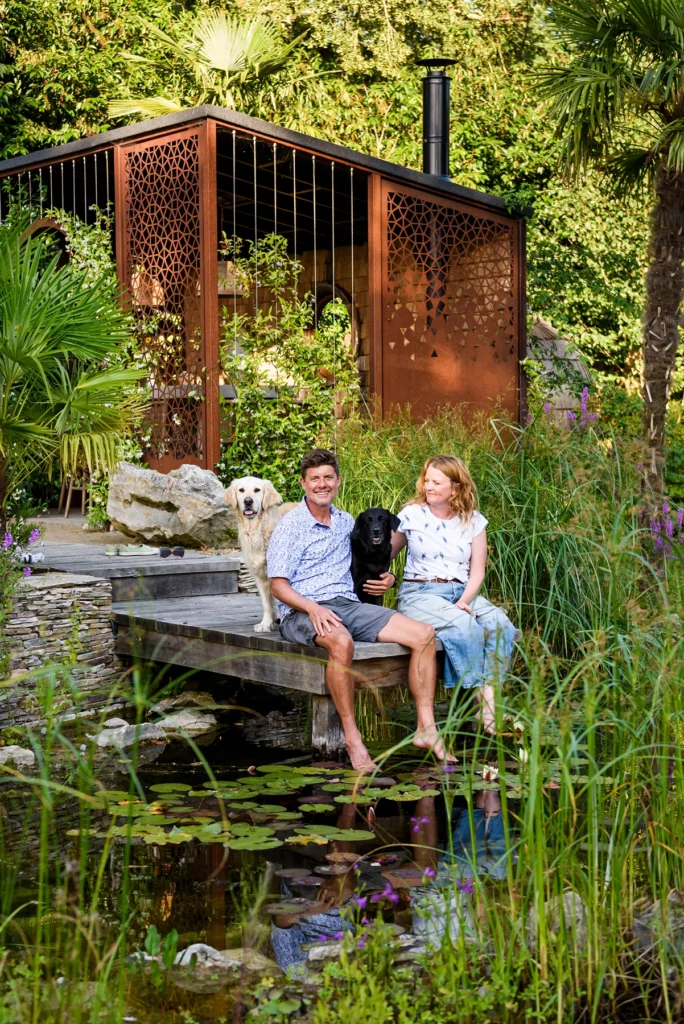
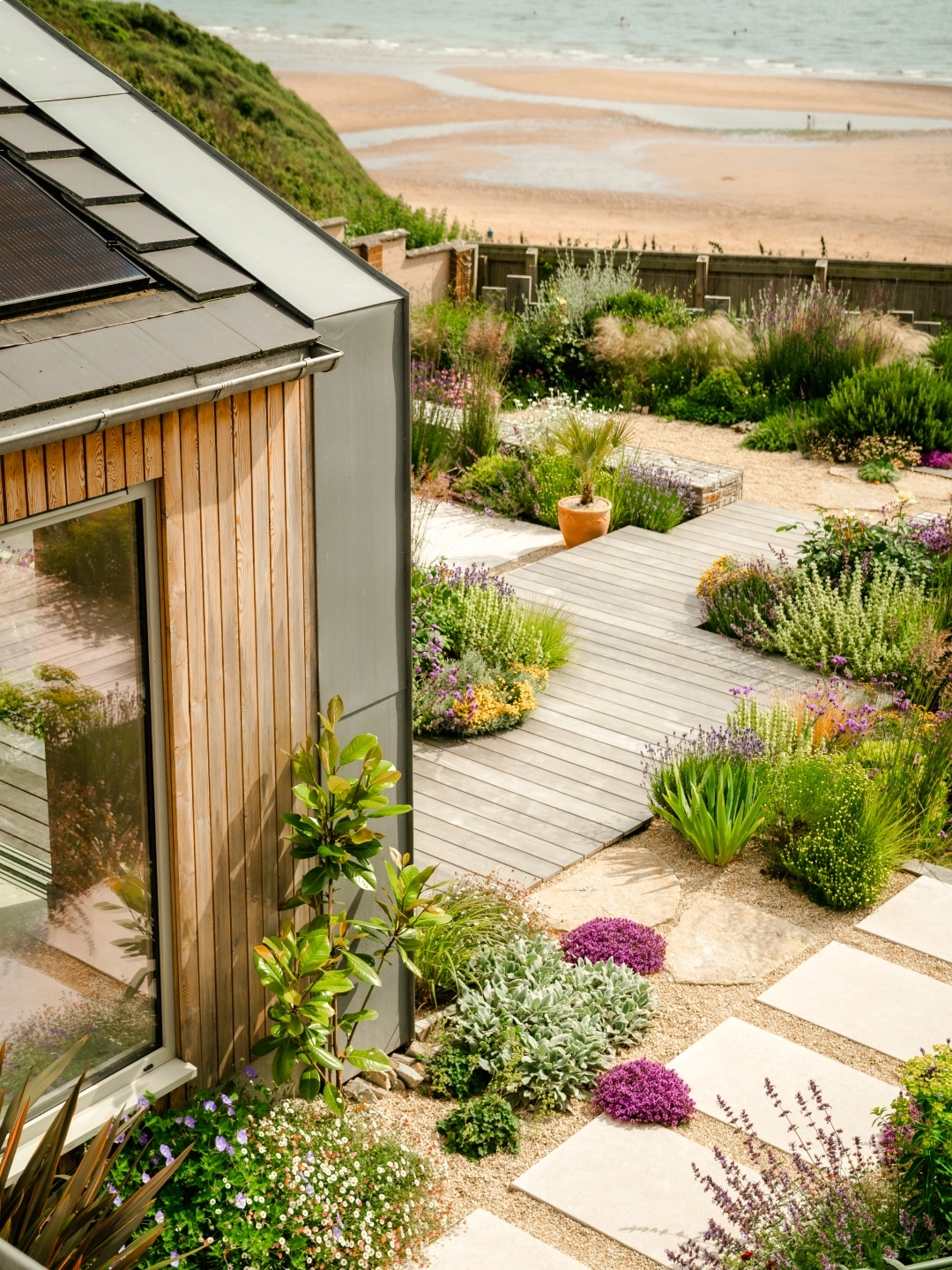
At the start of every project we spend time analysing the garden and understanding the factors that will influence both the layout and the planting. Aspect, soil type, pH and drainage can all be researched online and inputted into an AI system. Far harder to replicate is the emotional and sensory response a designer brings to a place.
How does the site feel? Is it exposed or sheltered? Relaxing, uplifting or magical? How does it connect to the surrounding landscape or built environment? These are human observations.
Equally important are the judgement calls made early in the process. What should be retained and what should go? Where are the “sweet spots” in the garden? Where might a client enjoy an early morning coffee, supervise playing children from the kitchen window or unwind with a glass of wine in the evening sun?
These decisions rely on empathy, imagination and an understanding of how people actually live. I struggle to imagine AI ever genuinely contemplating or caring about the emotional needs of people within a garden space.
Concept Design
Someone once said to me that there is no such thing as a completely original creative idea, only inspiration recycled and reinterpreted in new ways. There is probably some truth in that, which means AI is theoretically well placed to access and process vast amounts of inspirational material from across the world.
But the challenge is not access to inspiration; it is knowing what to choose and why.
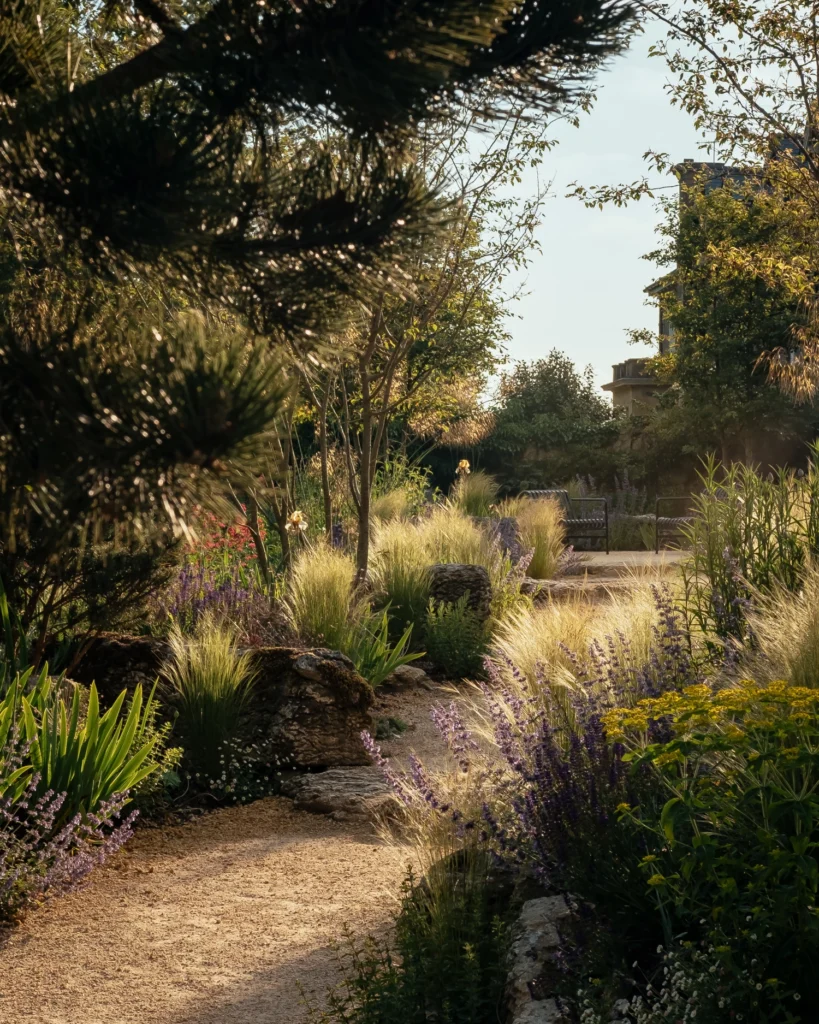
I have always viewed garden design as a creative profession, though perhaps “curator” is a more accurate description than artist. We draw on horticultural knowledge, design principles and years of experience to create tailored solutions, framing every decision around the people we are designing for and the context of the site itself.
Again, those choices are driven by human instinct, interpretation and emotional intelligence, qualities that distinguish thoughtful garden design from an algorithmic response.
Detailed Design and Collaboration
The technical stage of garden design translates ideas into detailed drawings, specifications and construction information to ensure gardens are built to the highest standard and accurately priced by contractors.
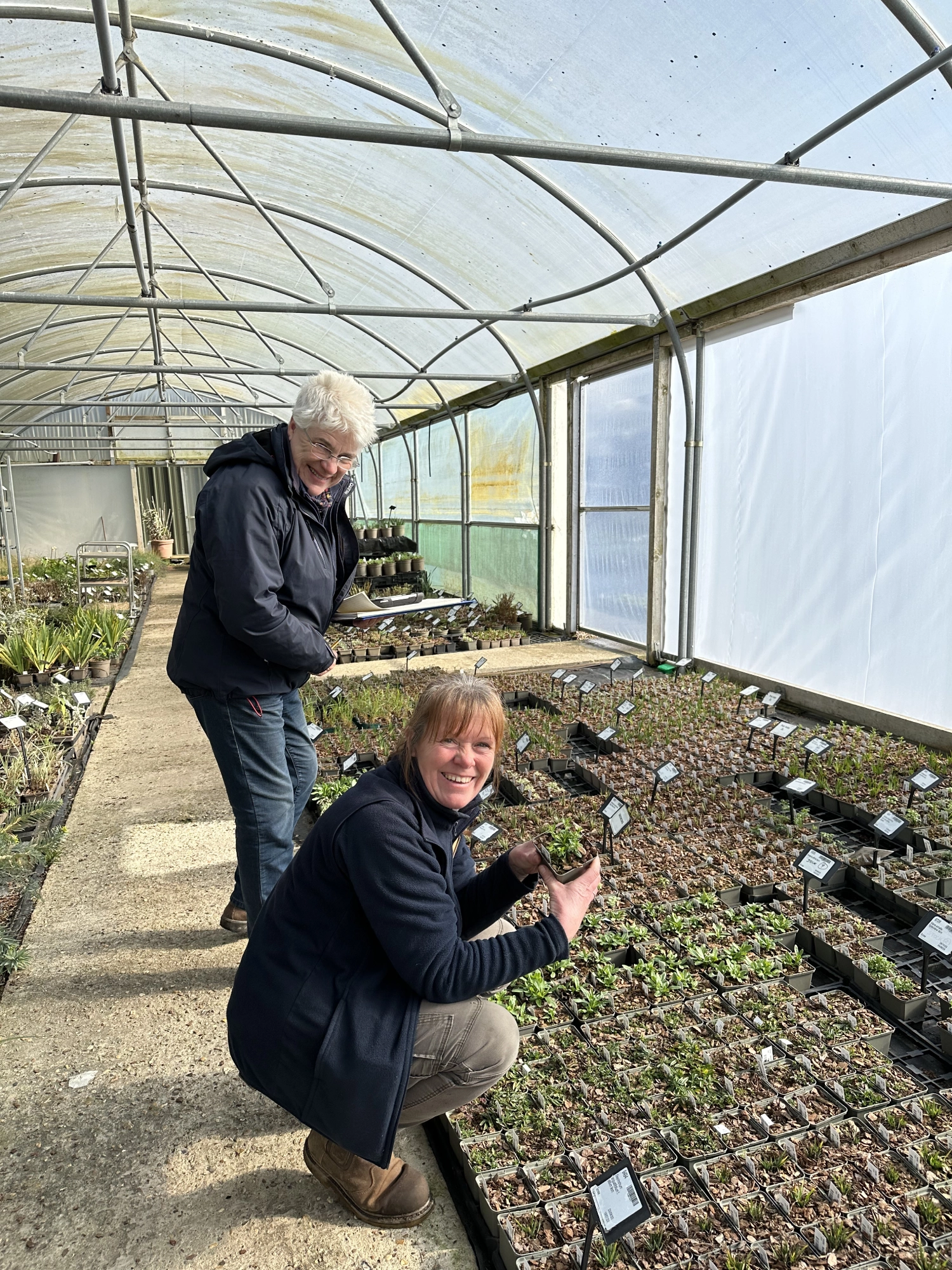
However, this process is never carried out in isolation. It involves collaboration with planners, structural engineers, lighting designers, irrigation specialists, artisans, manufacturers, suppliers and nurseries. It depends on trusted relationships and shared expertise developed over many years.
AI may eventually be able to recommend suppliers or construction solutions, but on what basis would those recommendations be made? Cost? Convenience? Popularity? Human judgement, trust and collaboration remain central to delivering exceptional gardens.
Implementation and Aftercare
What AI certainly cannot do is guide a client through the experience of building a garden.
Any construction project can be stressful, but the ongoing support of a designer helps make the process smoother, more enjoyable and more collaborative. Strong relationships between designers, contractors and specialists encourage efficient problem-solving and help ensure the finished garden reflects the original vision, budget and timeline.
The same applies after completion.
AI can generate planting schedules and maintenance plans, online tools have done this for years, but these often feel like lengthy instruction manuals that few people fully absorb or apply.
A garden is a living, changing environment. Plants fail, others thrive too well, pests emerge and weather patterns shift. Our role does not end when the build is complete. Instead, we aim to build long-term relationships with clients and gardeners, monitoring and nurturing the health of the spaces we create so they continue to evolve beautifully over time.
Emotional Response and Chelsea Flower Show
It feels slightly ironic that the Chelsea Flower Show is being used to launch an AI-driven garden design product because show gardens represent almost everything AI is not.
Can you imagine a Main Avenue lined with AI-generated show gardens? It would feel akin to visiting the National Gallery to view AI-generated paintings.
The best show gardens provoke an emotional response. Every plant, material and detail is selected to communicate a story, atmosphere or message. A successful garden leaves you feeling something.
Show gardens also push creative boundaries and showcase more sustainable approaches to making landscapes. Most importantly, they are enormous collaborative efforts involving designers, landscapers, growers, artisans and specialists all working together to bring a vision to life.
They are rarely profitable ventures. Designers participate because of the opportunity to inspire, to challenge themselves creatively and for the unique adrenaline-fuelled experience that Chelsea provides. I think it is fair to say that without this commitment from the industry RHS shows would no longer be a viable proposition.
For me, AI-designed show gardens are not a future I hope the RHS embraces.
A Place for AI
Despite all of this, I remain optimistic rather than fearful.
I do not believe AI-driven design is a viable replacement for the role of the garden designer, but I do believe it has a place. The reality is that not everyone can afford professional garden design services, and AI may help make some level of garden planning and outdoor enjoyment more accessible to a wider audience.
For established studios working with time-poor, asset-rich clients, AI is unlikely to compete directly. The greater challenge may be for emerging designers or those working on smaller projects, where AI could increasingly be seen as an alternative.
Ultimately, however, gardens are deeply human spaces. They are about relationships, emotion, creativity, collaboration and care. These are the strengths we must focus on. Designing, making and enjoying a garden should remain a shared and meaningful experience, something far richer than the output of a machine.
If you are looking for a human to design your garden or landscape we would love to hear from you.